
Last updated September 25, 2026
Seasonal ADU Care for Huntington Beach: Year-Round Homeowner’s Guide
Salt air at Huntington Beach’s proximity to the coast accelerates aluminum window frame oxidation and exterior fastener corrosion at roughly twice the rate of an inland Anaheim property. That single fact changes the inspection interval on every penetration in your ADU’s building envelope. Most homeowners assume our mild climate means less maintenance, not more targeted maintenance. In our experience since 2015, the ADUs that hold value in Huntington Beach are the ones where owners treat coastal exposure as a scheduled variable, not an afterthought. This guide covers what to check, when to check it, and how to document it so your warranty stays intact and your resale disclosure is clean, and you can find ADU Design & Permitting Maintenance Checklist for Huntington Beach Homeowners alongside more guides & resources.
Quick Answer
ADU maintenance in Huntington Beach requires a coastal-specific schedule: quarterly envelope inspections for salt-air corrosion, pre-marine-layer HVAC filter changes in fall, post-wet-season waterproofing membrane checks in spring, and UV-driven siding inspection before peak summer exposure. For cost planning, see our ADU Cost Breakdown: The Huntington Beach Homeowner’s Reference for 2026. Document everything in a dated photo log to satisfy manufacturer warranty requirements and future resale disclosure.
Table of Contents

- Fall Tasks: Before the Marine Layer Thickens
- Winter Tasks: Santa Ana Wind Reversal Season
- Spring Tasks: Post-Wet-Season Recovery
- Summer Tasks: UV Exposure and Thermal Cycling
- How to Document Maintenance for Warranty and Resale
- Prefab and Modular ADU-Specific Care
- Common Mistakes to Avoid
- When to Call a Professional
- Frequently Asked Questions
Fall Tasks: Before the Marine Layer Thickens
October through November in Huntington Beach is the window before marine-layer humidity settles in for winter. The moisture itself is not the immediate problem. Trapped moisture is. Fall maintenance focuses on clearing pathways for air movement and verifying that sealed systems are still sealed.
Flush dryer vents and exhaust penetrations. Lint accumulation in dryer vents accelerates when humid air cannot fully evacuate. In coastal Orange County, we see vent termination hoods corroded shut by salt air, trapping moist exhaust inside the wall cavity. Remove the exterior hood, inspect the damper for free operation, and run a vent brush the full duct length. If the duct passes through an unconditioned attic space, check for condensation staining on the surrounding insulation. That staining means warm, moist air is meeting cold sheathing, and the vapor barrier detail has failed.
Inspect roof-to-wall flashing on flat or low-slope ADU roofs. Huntington Beach permits a significant volume of garage conversion ADUs with flat roofs due to height-limit constraints. The flashing where a flat roof meets a vertical wall is the most common leak point we document on post-rain inspections. Look for:
- Lifted or separated counter-flashing at the wall interface
- Cracked sealant at termination bars
- Ponding water within 12 inches of any vertical penetration
- Debris accumulation in scuppers or internal drains
Flat roof membranes in coastal zones degrade faster at seams because thermal expansion cycles are amplified by humidity. A membrane that looks sound in October can split by March if a seam was already stressed. We photograph every fall flashing condition for our garage conversion ADU in Huntington Beach clients so the comparison set exists.
Service HVAC condensate lines. Before heating season begins, blow out the condensate drain and verify the trap is filled. In humid coastal operation, dry traps allow sewer gas infiltration and microbial growth in the line. A simple wet-dry vacuum on the exterior termination clears most blockages.
Check exterior door and window weatherstripping. Compression-set weatherstripping loses its seal after two to three Huntington Beach summers. The test: close a door on a strip of paper. If the paper pulls free without resistance, the seal is gone. Replace before winter wind reversal begins forcing unfiltered air through gaps.
Winter Tasks: Santa Ana Wind Reversal Season
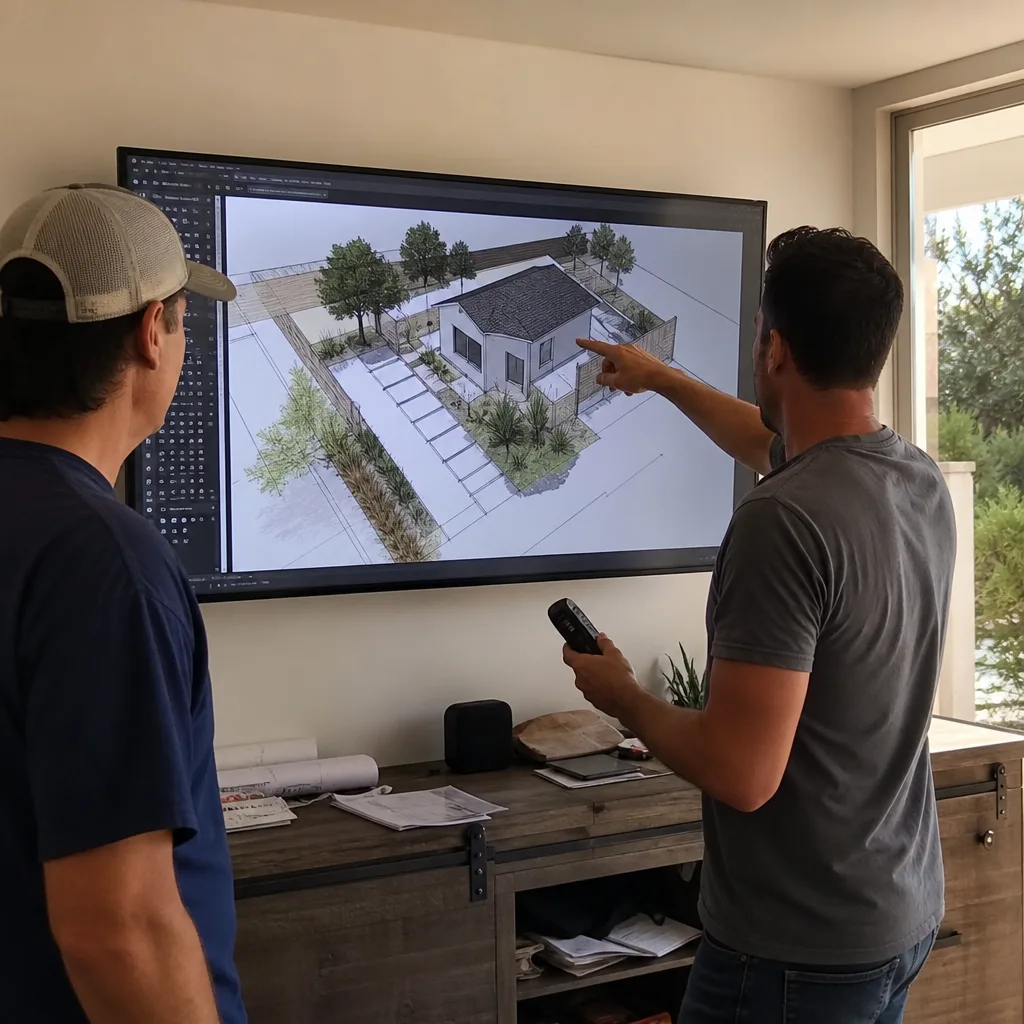
December through February brings the Santa Ana wind reversal: hot, dry, high-pressure air pushed offshore, then periodic low-pressure systems pulling cool, moist marine air back inland. This pressure oscillation creates positive-pressure infiltration that standard inland maintenance schedules do not address.
Understand positive-pressure infiltration. When wind hits the windward face of your ADU, it pressurizes that wall cavity. If the building envelope has any gap, air is forced through it into conditioned space. On the leeward side, negative pressure pulls interior air out. The Santa Ana pattern is distinctive because pressure direction reverses with each cycle, flexing every gap wider. We have found blower-door test failures in Huntington Beach ADUs that passed tightness standards in calm conditions.
Replace HVAC filters on a shortened interval. Standard manufacturer guidance assumes moderate dust loading. Coastal positive-pressure infiltration pulls in salt-laden particulate that loads filters faster and corrodes coil fins. For ADUs within two miles of the beach, we recommend filter inspection monthly and replacement at 60 days maximum during winter reversal season, versus the 90-day standard. Use MERV 8 minimum, MERV 11 if occupants have respiratory sensitivity. Higher MERV without verifying fan capacity can restrict airflow and freeze coils.
Inspect exterior fasteners and hardware. Salt air accelerates galvanic corrosion where dissimilar metals contact. Walk the ADU perimeter with a magnet and a flashlight:
- Check gate and fence hardware for red rust bloom
- Inspect deck ledger bolts for washer corrosion
- Verify soffit vent screens are intact, not salt-caked
- Look for white aluminum oxide powder on window frames, especially at weep holes
Aluminum window frame oxidation at Huntington Beach’s exposure level typically appears at year four to six, versus year eight to ten inland. Early intervention with an aluminum restoration polish and a compatible sealant prevents pitting that voids manufacturer finish warranties.
Monitor interior humidity. Target 40-50% relative humidity. Above 55% risks condensation on cool sheathing; below 30% cracks wood trim and flooring. A basic hygrometer in the main living space and one in the bathroom is sufficient. If humidity spikes during marine-layer periods, verify that exhaust fans actually move air, not just make noise. The test: hold a tissue to the grille. It should draw flat and hold.
Spring Tasks: Post-Wet-Season Recovery
March through May is the inspection window after accumulated winter moisture and before UV exposure begins its summer damage. The sequence matters: identify water intrusion now, before solar heating drives evaporation that hides the source.
Check deck and balcony waterproofing membranes. This is the most skipped, most expensive oversight in coastal ADU maintenance. Waterproofing membranes, whether fluid-applied sheet systems or TPO, develop bubbles or blisters when water becomes trapped between membrane and substrate. Winter moisture accumulation creates these blisters. Summer UV cracks them open. Once cracked, the substrate rots invisibly until someone falls through.
The inspection protocol:
- Walk the deck after 48 hours without rain. Any soft spots or drum sounds indicate delamination.
- Mark all blisters with chalk. Photograph with a date stamp.
- Check perimeter drains and scuppers for flow rate. Slow drainage means debris or membrane uplift at the edge.
- Verify door threshold flashing overlaps the membrane per the original detail. Shrinkage or settlement often breaks this joint.
In Huntington Beach, we see the worst membrane failures on west-facing decks where afternoon sun follows morning marine-layer wetting. That thermal shock cycle is brutal. If blisters exceed 2 inches or soft spots are present, call for professional assessment. Deck substrate replacement runs $15-$28 per square foot in Orange County, versus $4-$7 for membrane-only recoat. Catching it in spring keeps you in the lower range.
Inspect foundation and grade drainage. Winter rains reveal where grading fails. Walk the ADU perimeter after a heavy storm. Water should not pool within 6 inches of the stem wall for longer than 30 minutes. Persistent pooling means either grade slope reversal or a compromised perimeter drain. For new detached ADU in Huntington Beach projects, we specify a 6-inch gravel bed with geotextile separation, but settlement or landscaping changes can compromise this over time.
Service irrigation backflow preventers and hose bibs. Freezing is rare in Huntington Beach, but backflow preventer test cocks and hose bib vacuum breakers can hold enough water to crack when Santa Ana cold snaps hit. Replace washers, exercise valves, and verify the preventer still holds test pressure.
Clean and inspect gutters or roof drainage. Even flat roofs have drains. Spring is when accumulated winter debris becomes a blockage. For ADUs with pitched roofs, check that gutters are not pulling away from fascia, a common failure when winter expansion cycles loosen fasteners.
Summer Tasks: UV Exposure and Thermal Cycling

June through September in Huntington Beach brings sustained UV, thermal cycling, and the drying phase that reveals winter’s hidden damage. Summer maintenance is about protection application and early detection of material fatigue.
Inspect exterior wood and composite siding for UV-driven checking. “Checking” is the trade term for the surface cracks that open when repeated wet-dry and hot-cold cycles exceed a material’s expansion tolerance. On wood siding, checks run with the grain and deepen each season. On composite siding, they appear as hairline cracks at fastener points or panel edges.
The products we specify and their manufacturer recoat intervals:
- James Hardie fiber-cement siding: Factory finish carries a 15-year limited warranty against peeling and cracking, but coastal exposure reduces effective protection to 10-12 years. Inspect for chalking (powdery residue when rubbed) which indicates UV degradation of the topcoat. Recoat with 100% acrylic latex when chalking appears, typically year 8-10 in Huntington Beach.
- Wood siding (cedar, redwood): Penetrating oil stain every 2-3 years on south and west elevations, every 3-4 years on north and east. Film-forming paints fail faster in coastal thermal cycling; we generally do not specify them for ADU exteriors.
- Composite siding (various manufacturers): Follow manufacturer guidance, but inspect at year 3 and 5 regardless. Some early-generation products experienced class-action failures in coastal California; know your product generation.
Examine exterior sealant joints. Sealant is the sacrificial layer of the building envelope. In coastal zones, expect 5-7 year service life on vertical joints, 3-5 years on horizontal or splash-zone joints. Summer inspection identifies joints that have lost adhesion before winter rain exploits them. The test: probe with a blunt tool. Cohesive failure (split within the bead) or adhesive failure (separation from one substrate) both require removal and reapplication.
Service cooling systems before peak load. Condenser coils in Huntington Beach accumulate salt spray residue that insulates fins and reduces efficiency. Turn off power, remove the fan guard, and wash coils with low-pressure water, working from the inside out. Straighten any bent fins with a fin comb. Verify the concrete pad has not tilted or settled, which strains refrigerant lines.
Check attic or roof cavity ventilation. Summer heat buildup accelerates asphalt shingle degradation and can cook wiring insulation in unconditioned spaces. Verify soffit vents are not blocked by insulation, and that ridge vents or gable vents are intact. For flat-roof ADUs, check that the roof membrane is not trapping moisture in the assembly, evidenced by blistering or interior ceiling stains.
How to Document Maintenance for Warranty and Resale
Manufacturer warranties and California resale disclosure requirements both reward documentation. The ADU owners who come out ahead are the ones who treat maintenance records as a deliverable, not an afterthought.
The format that satisfies both requirements:
- Dated photo record. Every inspection gets photographs with visible date stamps. We provide this on every visit as part of our standard practice, per The Haven Standard. For self-performed maintenance, use a smartphone with location and date metadata enabled. Store in cloud backup, not solely on device.
- Written condition summary. One page per inspection: date, weather conditions, items checked, condition found, action taken or scheduled. Be specific: “West-facing Hardie siding, south end, chalking visible on lower 18 inches” not “siding looks okay.”
- Receipt and label file. Product labels for sealants, coatings, filters, membranes. Warranty cards with serial numbers for windows, HVAC equipment, water heaters. Receipts with date and installer identification.
- Professional inspection reports. If you hire a roof inspector, HVAC technician, or structural assessor, request a written report with their license number. This carries weight in disclosure and warranty claims that homeowner notes do not.
For rental ADUs, this documentation also supports habitability defense and security deposit disputes. For resale, California Civil Code Section 1102 requires disclosure of material defects “actually known to the seller.” A maintained photo record demonstrates due diligence and limits post-sale liability.
Under The Haven Standard, Clause 3 (Documented Record), every Ellery ADU Studio client receives a project-close photo record and is encouraged to continue the practice. We have seen this documentation accelerate sales by 2-3 weeks and eliminate the price reductions that come from buyer-discovered deferred maintenance.
Prefab and Modular ADU-Specific Care
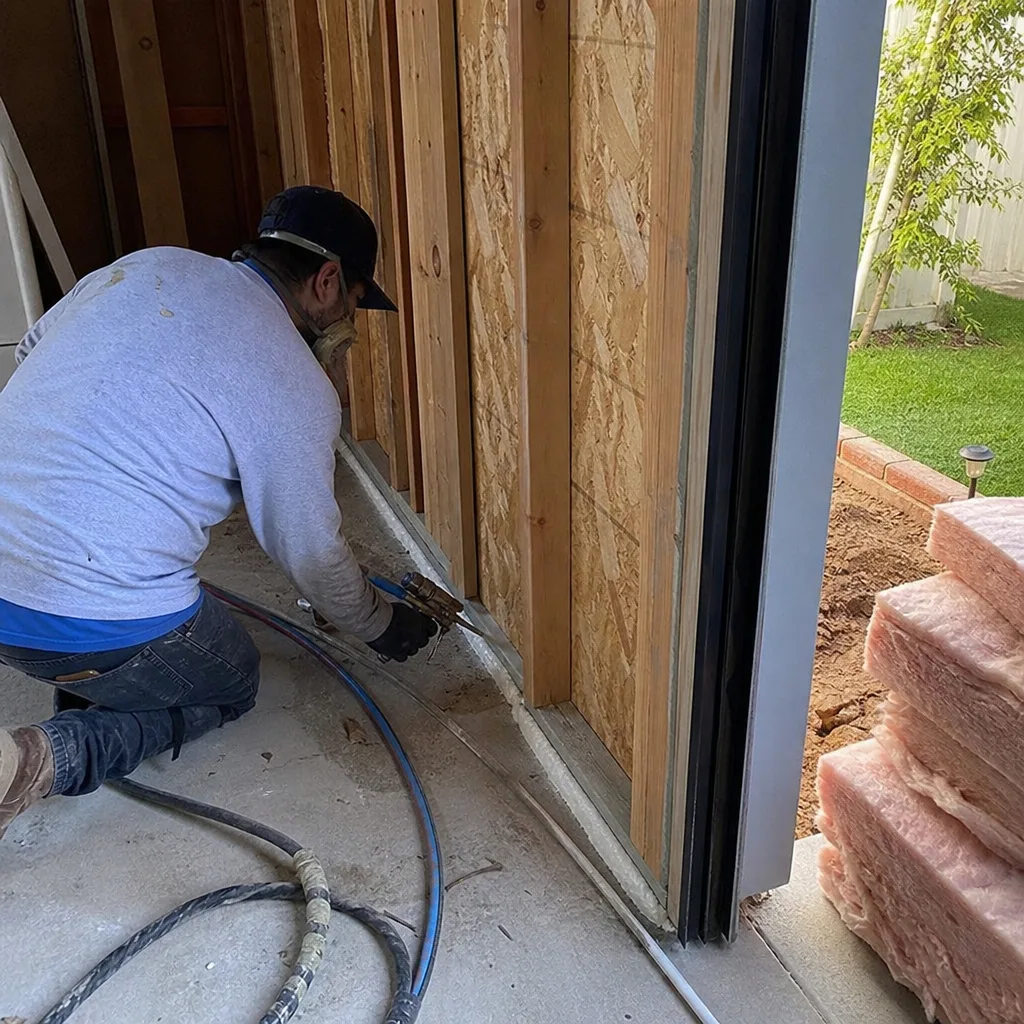
Prefab and modular ADUs introduce manufacturer-specific maintenance protocols that site-built ADUs do not. Ellery specifies and coordinates systems from brands including Mighty Buildings, Boxabl, Plant Prefab, and Tuff Shed, and each has distinct requirements.
Mighty Buildings (3D-printed polymer composite): The composite skin is UV-stable and does not require painting, but the expansion coefficient differs from conventional framing. Inspect sealant joints at panel connections annually; the differential movement stresses these joints more than in stick-built construction. The manufacturer prohibits certain solvent-based sealants that attack the composite chemistry; use only approved products to maintain warranty.
Boxabl (foldable steel-frame modules): The galvanized steel frame is vulnerable to salt-air corrosion at cut edges and fastener penetrations where the zinc coating is compromised. Annual touch-up with zinc-rich paint at any scratched or drilled locations is mandatory for coastal warranty compliance. The integrated MEP systems require filter and anode rod schedules specific to the factory equipment; generic replacement parts can void coverage.
Plant Prefab (panelized and modular): Factory-applied finishes are high-quality but not indestructible. Their warranty requires proof of annual exterior inspection and recoating per the finish schedule. The panel connection details are precision-engineered; do not modify or add penetrations without manufacturer consultation, as this transfers structural liability to the owner.
Tuff Shed (site-adapted utility structures): The metal siding and roofing are robust but fastener-seal dependent. Check screw gasket compression annually; UV hardens EPDM gaskets, and wind flexure loosens screws. Re-torque to manufacturer specification and replace gaskets showing cracking.
For any prefab system, the critical rule is: manufacturer warranty trumps generic maintenance advice. What works on a site-built ADU may void coverage on a modular unit. Ellery clients receive the manufacturer maintenance manual as a project deliverable, with coastal-adapted intervals noted.
Common Mistakes to Avoid
- Assuming mild climate means minimal maintenance. Huntington Beach’s climate is mild in temperature extremes but aggressive in salt-air and UV exposure. The damage is slower but insidious, often discovered only at warranty claim time when documentation is absent.
- Using inland maintenance intervals. A filter change schedule that works in Riverside fails in Huntington Beach. A deck membrane inspection every three years that suffices in Pasadena misses the annual blister cycle here.
- Pressure-washing siding and windows. High-pressure water drives moisture into wall cavities through intentional and unintentional gaps. It also strips factory finishes prematurely. Use low-pressure wash with appropriate cleaner, or soft brush and hose.
- Ignoring manufacturer sealant compatibility. Not all “100% silicone” sealants are compatible with all substrates. Using the wrong chemistry on James Hardie siding, Mighty Buildings composite, or window flanges voids the finish warranty and can cause substrate damage.
- Deferring maintenance until sale preparation. Buyers and inspectors recognize rushed, cosmetic touch-up. Deferred maintenance also compresses the timeline, forcing expensive professional intervention instead of paced DIY or scheduled contractor work.
- Failing to document. A warranty claim without dated photos is a negotiation, not a right. Resale disclosure without records invites lowball offers and liability exposure.
- Modifying prefab systems without manufacturer consultation. Adding a deck, penetrating walls for utilities, or replacing components with generic alternatives can terminate structural and weatherization warranties in their entirety.
When to Call a Professional
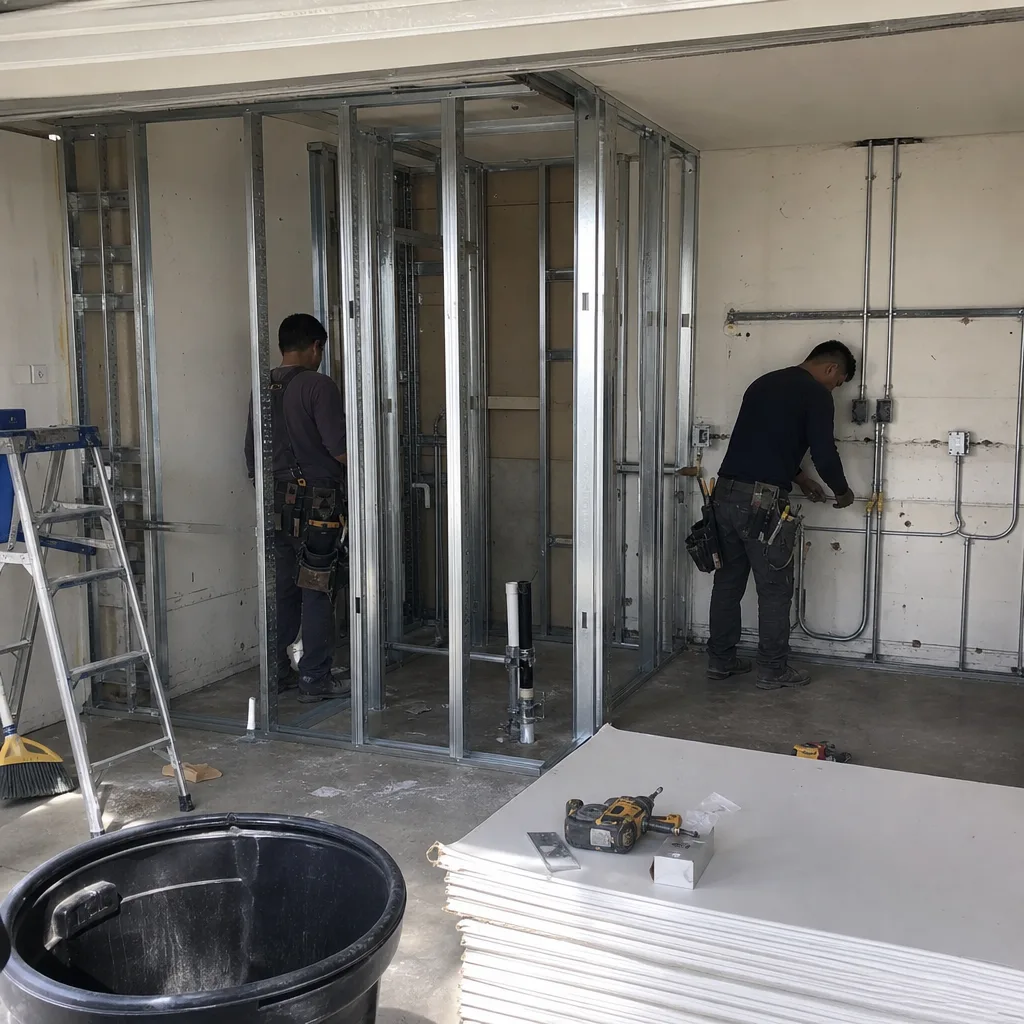
Some conditions exceed homeowner inspection scope. Call a licensed professional when you find: soft or delaminated deck substrate; active water intrusion with visible mold or staining; HVAC refrigerant lines with oil staining (indicates leak); electrical panel corrosion or breaker tripping patterns; foundation cracks wider than 1/4 inch or with vertical displacement; or any condition where manufacturer warranty coverage depends on licensed assessment.
For ADU-specific concerns, Ellery ADU Studio Huntington Beach offers free estimates in Huntington Beach. We also provide a Free Second Opinion on any written estimate already in hand, per The Haven Standard. If you’re unsure whether a condition is urgent or deferrable, documented photos sent to our team can often clarify the next step without a site visit. Call (562) 263-3350 to schedule your free estimate or second opinion review.
Frequently Asked Questions
Annual professional inspection and maintenance for a Huntington Beach ADU typically runs $800-$1,800, depending on size, roof type, and whether deck waterproofing is included. This covers HVAC service, envelope inspection, and drainage verification. Deferred maintenance catch-up runs $3,500-$8,000. Call (562) 263-3350 for an exact quote on your specific ADU, estimates are free.
No. Under The Haven Standard, Clause 1, every project is quoted with a written price before any work begins. The scope is locked at signing; no door-side upsells, no scope creep. If we find concealed damage during inspection, we document it, stop, and provide a supplemental written quote for your approval before proceeding.
Routine maintenance, filter changes, sealant replacement, and cleaning do not require permits in Huntington Beach. Work affecting structural elements, electrical panels, gas lines, or roof membrane replacement may require permits and licensed contractors; see ADU Permits, Codes & Inspections in CA: What You Need to Know for details. Ellery pulls all required permits and schedules inspections as part of any contracted scope.
Salt-air corrosion accelerates metal degradation by roughly 2x compared to inland Anaheim. Marine-layer humidity extends condensation risk hours daily. UV exposure is comparable, but the wet-dry cycling is more frequent, stressing sealants and membranes. These factors compress inspection intervals but do not change the tasks themselves.
A thorough homeowner inspection takes 2-3 hours per season for a standard 400-800 square foot ADU. Professional inspection adds 1-2 hours for documentation and testing. Spread across four seasons, this is 8-20 hours annually, a reasonable investment against five-figure deferred maintenance surprises.
Ellery’s scope covers ADU Design & Permitting in Huntington Beach, garage conversions, new detached ADUs, junior ADUs, and site prep with utilities. Maintenance assessment is available as part of project-close documentation and for existing ADU owners considering renovation or expansion. We do not offer standalone ongoing maintenance contracts, but we provide the documentation framework and can refer licensed specialists for routine service.
The Bottom Line
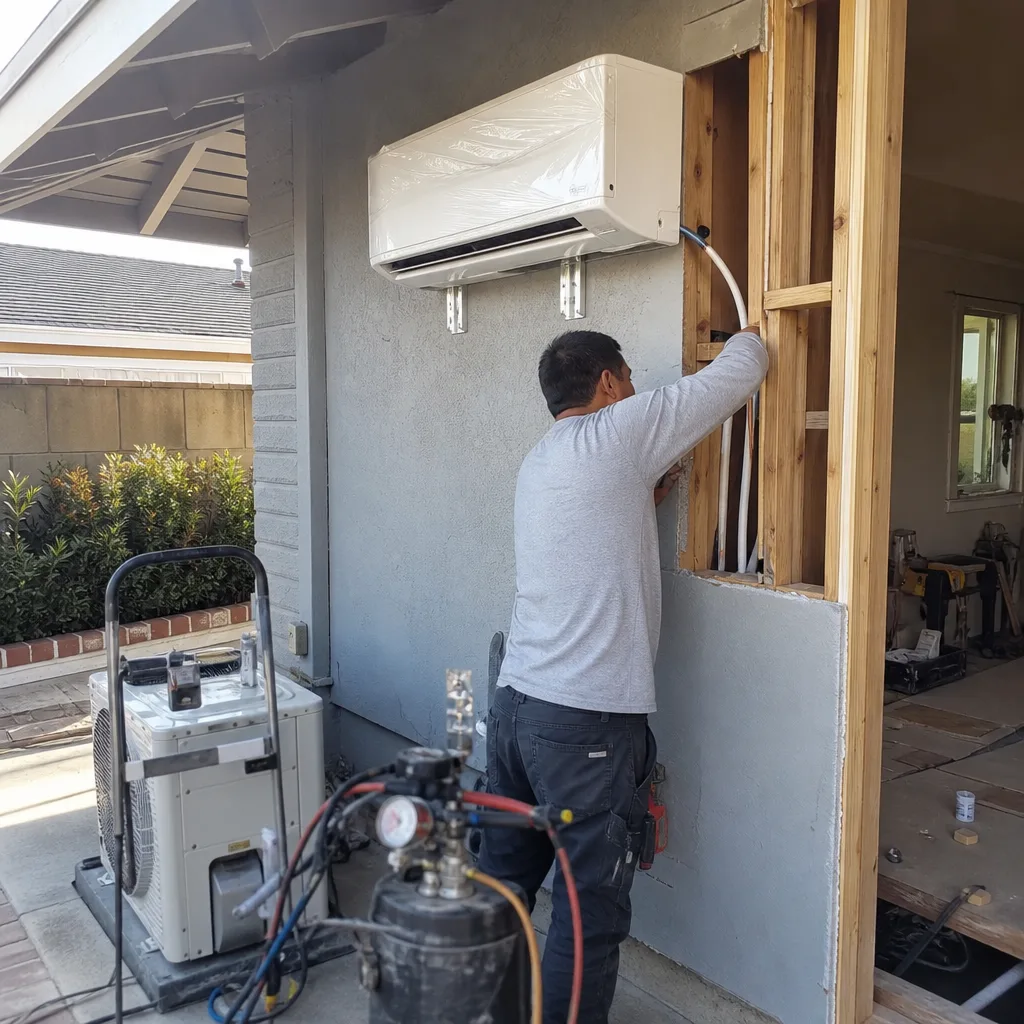
Huntington Beach ADU maintenance is not about dramatic interventions. It is about recognizing that mild temperatures mask aggressive coastal exposure, and scheduling inspections accordingly. Fall: clear vents and verify flashing before humidity thickens. Winter: replace filters faster and monitor pressure infiltration through the Santa Ana cycle. Spring: catch membrane blisters before summer UV cracks them. Summer: protect finishes and document conditions. The owners who thrive are the ones who keep dated photo records, follow manufacturer-specific protocols for prefab systems, and treat maintenance as a scheduled variable in their asset management, not a reaction to visible failure.
Written by Nadia Ellery, Owner at Ellery ADU Studio Huntington Beach, serving Huntington Beach since 2015.