
Last updated September 25, 2026
DIY vs Professional ADU: The Huntington Beach Homeowner’s Decision Guide
Most Huntington Beach homeowners assume the DIY ADU question comes down to whether they can swing a hammer or stretch a budget. It doesn’t. The real issue is permit liability. California’s owner-builder permit declaration, Form B&P §7044, contains a clause that prohibits you from selling your property within one year of completion without disclosing your owner-builder status. That disclosure can collapse a sale when the buyer’s lender requires licensed-contractor construction. In this guide, we’ll walk through exactly what owner-builder status means for your insurance, your financing, your resale value, and your total project cost in Huntington Beach. You’ll learn where DIY saves real money, where it creates permanent problems, and how to make the decision with full knowledge of the risks.
Quick Answer
Building an ADU as an owner-builder in Huntington Beach saves the 15%-25% general contractor markup but transfers all contractor liability to you, restricts your ability to sell for one year, and may void portions of your homeowner’s insurance during construction. Most homeowners find that professional design-build delivery pays for itself through warranty protection, permit certainty, and preserved resale value. For Huntington Beach properties, the break-even point typically requires completing 60% or more of the work yourself without errors that trigger rework.
Table of Contents

- What Owner-Builder Permits Actually Allow in California
- How Owner-Builder Status Affects Your Insurance
- The Resale and Financing Impact You Can’t Undo
- Real Cost Comparison: DIY Savings vs. Professional Value
- Low-Risk DIY Components vs. High-Risk Permit Killers
- Huntington Beach-Specific Factors: Coastal Zone, Setbacks, and Soil
- Common Mistakes to Avoid
- When to Call a Professional
- Frequently Asked Questions
What Owner-Builder Permits Actually Allow in California
An owner-builder permit sounds like freedom. It is actually a legal reclassification with strict boundaries.
Under California Business and Professions Code §7044, an owner-builder is defined as someone who builds or improves their own single-family dwelling for their own occupancy, not for sale or lease. The key word is occupancy. If you intend to rent the ADU, you already sit in a gray zone. If you intend to sell the property within a year, you must disclose your owner-builder status on the transfer disclosure statement.
Here’s what the permit allows:
- You act as your own general contractor and pull permits directly from the Huntington Beach Community Development Department.
- You may perform any trade work yourself: framing, concrete, drywall, painting.
- You may hire unlicensed workers for projects under $500 in labor and materials per contract.
Here’s what it does not allow:
- Electrical work must be performed by a C-10 licensed electrician or under their direct supervision with their license on the permit.
- Plumbing work must be performed by a C-36 licensed plumber or under their direct supervision.
- Roofing work over $500 requires a C-39 license.
- HVAC requires a C-20 license.
- You cannot sell the property within one year without disclosure, and you cannot build for speculative sale under owner-builder rules.
The Huntington Beach Community Development Department enforces these trade requirements strictly. We’ve reviewed permit files where owner-builders attempted to self-perform electrical rough-in and were red-tagged at inspection, losing 6-8 weeks to re-pull and re-inspect. The permit fee is not refunded. The holding cost on a construction loan or the delay in rental income often exceeds the GC markup the owner was trying to avoid.
One more restriction: owner-builder permits limit you to one project per two-year period. If you’re considering a garage conversion now and a detached ADU later, that sequencing matters.
How Owner-Builder Status Affects Your Insurance
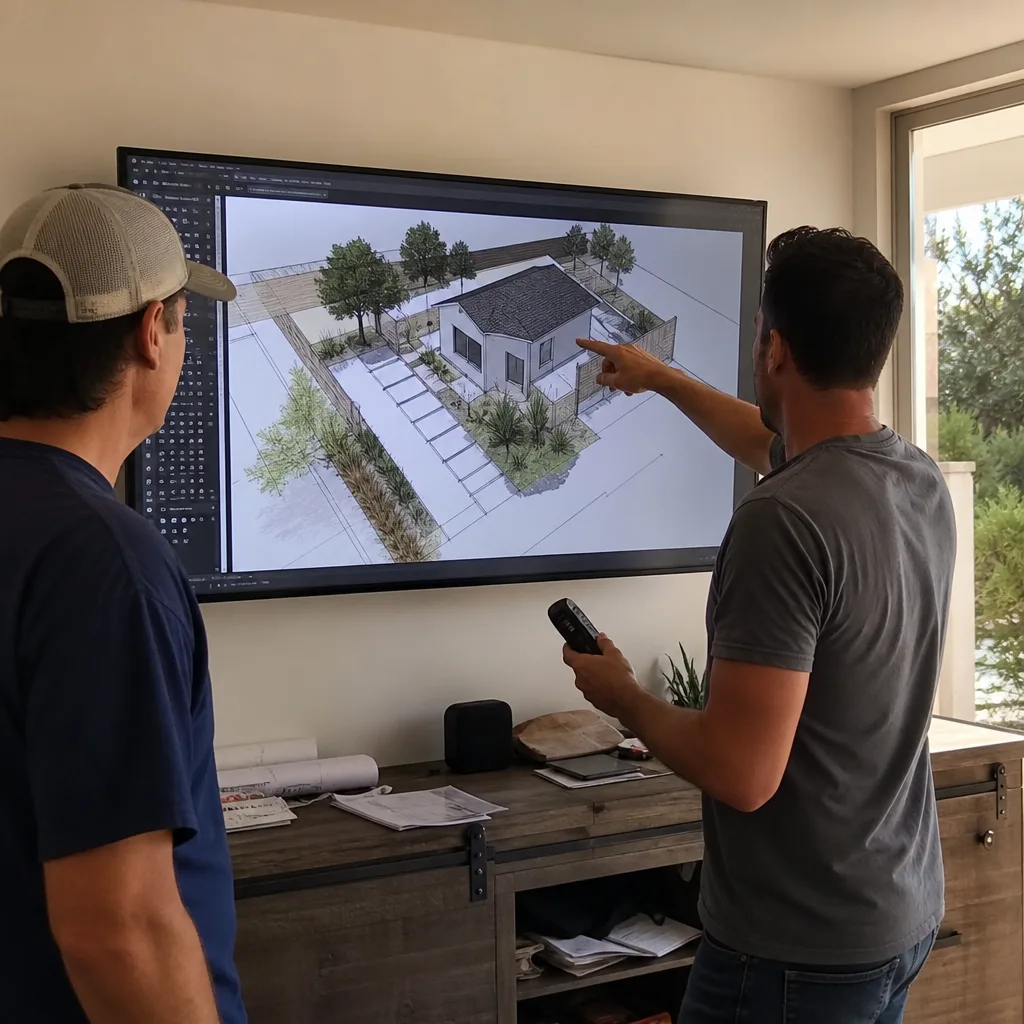
Your standard HO-3 homeowner’s policy was written for finished, occupied dwellings. It was not written for active construction sites with open trenches, exposed wiring, and workers on ladders.
Here’s what most Huntington Beach homeowners discover too late:
- Standard HO-3 policies exclude damage caused by “construction, renovation, or repair activities” unless you have purchased a specific builder’s risk endorsement.
- Owner-builder liability extends to anyone injured on your property, including subcontractors you’ve hired. If your unlicensed painter falls off a ladder, your homeowner’s liability coverage may deny the claim because the injury arose from an excluded construction activity.
- Workers’ compensation does not cover you as an owner-builder. If you hire a day laborer who gets injured, you may face personal liability for medical costs and lost wages.
- Your mortgage lender may require notification of owner-builder status. Some loan servicers treat owner-builder construction as a material change in risk and can call the loan or force-place insurance at 3-5x your current premium.
A licensed general contractor carries general liability insurance, workers’ compensation, and builder’s risk coverage. When you hire Ellery ADU Studio Huntington Beach home for design-build delivery, our certificate of insurance names your property and your lender as additional insured. Under Haven Standard Clause 3 (Documented Coverage), we provide that certificate before any work begins.
The cost of a standalone builder’s risk policy for an owner-builder in Orange County typically runs $1,800-$3,400 for a 12-month term, with deductibles of $2,500-$5,000. That’s money you don’t spend when a professional GC carries the coverage.
The Resale and Financing Impact You Can’t Undo
This is the factor most DIY guides omit entirely. Owner-builder status does not expire when you finish the ADU. It attaches to the property record.
Under California Civil Code §1102, the Transfer Disclosure Statement requires disclosure of any “room additions, structural modifications, or other alterations” made without required permits or by owner-builders. The standard California Association of Realtors purchase agreement specifically asks whether any structures were built under owner-builder permits.
Here’s how this plays out in Huntington Beach’s market:
- Conventional lenders (Fannie Mae, Freddie Mac) may require a structural inspection or engineer’s letter for owner-built ADUs, adding $800-$1,500 to buyer costs and 2-3 weeks to closing.
- FHA and VA loans are stricter. We’ve seen FHA underwriters reject properties with owner-builder ADUs outright, requiring either a licensed contractor’s sign-off or removal of the structure from the appraisal.
- Jumbo lenders in Orange County’s $1M+ market often require 10-year builder’s warranties. An owner-builder cannot provide one. The buyer’s lender may then require a retroactive contractor’s warranty, which costs $2,000-$4,000 and still leaves gaps in coverage.
- The one-year sale restriction under B&P §7044 means you cannot flip or relocate quickly. In Huntington Beach’s transient coastal market, where homeowners often move for work within 2-3 years, this is a material constraint.
We’ve had clients come to us after building owner-builder ADUs in the Bolsa Chica area, only to learn their buyer’s lender wouldn’t fund until they obtained a retroactive contractor’s sign-off. The original builder was unfindable. The electrical was self-performed. The cost to bring in licensed trades, open walls for inspection, and re-permit exceeded the original GC markup they had avoided.
The permit record is permanent. The disclosure obligation is permanent. The financing friction is permanent. These are not weekend-project risks. They are decade-long asset risks.
Real Cost Comparison: DIY Savings vs. Professional Value

Let’s name actual numbers for Huntington Beach, because the decision only makes sense with dollars on the table.
A typical 500-square-foot garage conversion ADU in Huntington Beach runs $165,000-$245,000 all-in through a design-build studio, including drawings, permit fees, construction, and final inspection. A new detached ADU of comparable size runs $285,000-$420,000. These ranges reflect coastal California labor costs, Title 24 energy compliance, and Huntington Beach’s specific fire separation and setback requirements.
The general contractor markup on these projects is typically 15%-25% of hard construction costs, not including design and permitting. On a $200,000 garage conversion with $140,000 in hard costs, that’s $21,000-$35,000 in GC overhead and profit.
Here’s what owner-builder savings look like against professional value:
| Cost Category | Owner-Builder | Professional Design-Build |
|---|---|---|
| GC markup saved | $21,000-$35,000 | $0 (included in price) |
| Builder’s risk insurance | $1,800-$3,400 | $0 (GC carried) |
| Permit expediter (recommended) | $2,500-$4,500 | $0 (in-house) |
| Design and structural drawings | $8,000-$15,000 | $0 (included) |
| Typical rework from inspection failures | $5,000-$18,000 | $0 (warranty covered) |
| Retroactive warranty for resale | $2,000-$4,000 (if possible) | $0 (365-Day Done Right Promise transfers) |
| Holding cost: 2-month delay at $3,500/mo loan+opportunity | $7,000 | $0 (schedule guaranteed) |
| Net position | $12,700 saved to $7,900 net cost | Full warranty, no resale friction |
The honest math: owner-builder delivery can save $10,000-$25,000 on a garage conversion if everything goes right. But “everything goes right” assumes zero inspection failures, zero subcontractor disputes, zero weather delays, and zero discovery of existing conditions (asbestos in older Huntington Beach garages, non-compliant electrical panels, or settlement-cracked slabs are common).
Under Haven Standard Clause 5 (No Surprises), our scope is locked at signing. The price you receive in writing before any work starts is the price you pay. We’ve had clients bring us Garage Conversion ADU in Huntington Beach estimates from owner-builder consultants that ballooned 30%-40% by final inspection. The “savings” evaporated in change orders they had no leverage to refuse.
Low-Risk DIY Components vs. High-Risk Permit Killers
Not all DIY involvement carries equal risk. The smart owner-builder, or the smart homeowner hiring a professional, knows where their sweat equity pays off and where it backfires.
Three Low-Risk Areas for Homeowner Involvement
- Finish painting and staining. Interior and exterior paint, cabinet staining, and trim finishing are cosmetic, non-structural, and easily inspected visually. Mistakes are cheap to fix. We’ve had Huntington Beach clients save $3,000-$5,000 by painting their own garage conversion ADU after we completed rough and finish trades.
- Landscaping and hardscaping outside the ADU footprint. Planters, walkways, and decorative gravel don’t trigger permit inspection. Stay outside the required setbacks and fire separation zones, and your weekend work adds value without risk.
- Interior hardware and fixture installation. Towel bars, shelving, window treatments, and even some light fixture swaps (on existing boxes) are homeowner-friendly. We specify which fixtures are pre-wired for simple attachment and which require licensed electrical work.
Three High-Risk Areas That Create Permanent Problems
- Electrical work. Huntington Beach requires arc-fault circuit interrupter (AFCI) protection on virtually all new circuits, ground-fault circuit interrupter (GFCI) in wet areas, and compliance with 2023 Title 24 lighting power density limits. Owner-performed electrical that fails inspection must be removed and re-done by a C-10 electrician. We’ve opened walls to find homeowner wiring with incorrect gauge, overloaded circuits, or missing AFCI breakers. The rework cost typically runs $4,000-$12,000 because drywall, insulation, and finishes must be removed and replaced.
- Plumbing. Cross-connections, improper venting, and incorrect slope on drainage are common owner-builder errors. The Huntington Beach Building Division red-tags these at rough-in, but the bigger risk is latent: a venting error may not show symptoms for months, then cause sewer gas infiltration or drain backup. When discovered, the repair requires opening walls and ceiling. A C-36 plumber’s work carries warranty; yours does not.
- Roofing and weatherproofing. Huntington Beach’s marine climate, with salt air and occasional driving rain from Pacific storms, punishes improper flashing and membrane installation. A roof leak into a new ADU can destroy insulation, drywall, and electrical before you detect it. The Tuff Shed and James Hardie systems we specify include engineered flashing details and manufacturer warranties that require licensed installation. Self-performed roofing voids these warranties and leaves you with uncovered water damage.
Our recommendation to clients who want hands-on involvement: hire us for ADU Design & Permitting in Huntington Beach and construction of the high-risk systems, then take over the finish work with our punch list and paint schedule in hand. You save where it matters without risking where it hurts.
Huntington Beach-Specific Factors: Coastal Zone, Setbacks, and Soil
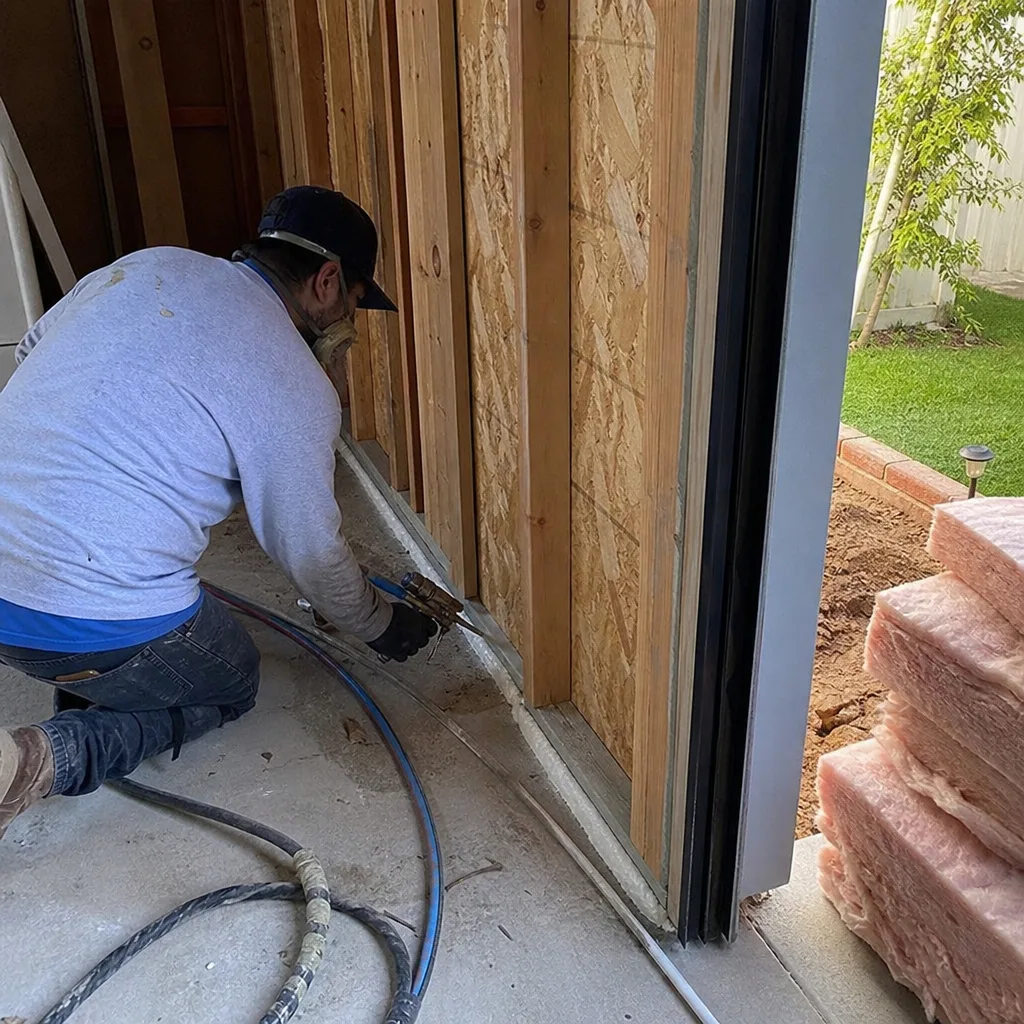
Huntington Beach is not a generic California suburb. The physical and regulatory environment creates conditions that reward professional preparation and punish improvisation.
Coastal Zone and Local Coastal Program. Properties west of Pacific Coast Highway fall under California Coastal Commission jurisdiction. The Local Coastal Program requires additional design review for detached ADUs over certain heights and imposes stricter setback and view-corridor rules. We’ve seen owner-builders submit standard plans without Coastal Program review, receive building permits, then get stopped at the Coastal Development Permit stage. The delay is 3-6 months. The redesign cost is $4,000-$8,000. Our permit sets include Coastal Program submittal as a standard line item.
Setback variances and the “5-foot rule.” Huntington Beach allows detached ADUs at 4-foot side and rear setbacks in most zones, but corner lots, flag lots, and properties with alley access have modified requirements. The “setback variance” - permission to build closer than standard - requires a separate administrative process with public notice. Owner-builders often frame to the property line assuming a standard rule, then face mandatory setback demolition at inspection. We verify setback requirements in the preliminary title report before design begins.
Soil and foundation conditions. The coastal plain from Sunset Beach to Huntington Harbour sits on loose to medium-dense sands with high groundwater in some areas. Standard slab-on-grade construction may require overexcavation and engineered fill, or in some cases, helical piers or micro-piles. An owner-builder who pours on unprepared soil risks differential settlement, slab cracking, and out-of-level framing that cascades through every subsequent trade. Our geotechnical review, included in New Detached ADU in Huntington Beach projects, identifies these conditions before the shovel hits the ground.
Marine climate and material selection. Salt air within 2 miles of the coast accelerates corrosion on standard fasteners and untreated steel. Title 24 already requires specific insulation and window performance; the coastal environment adds material durability requirements. We specify James Hardie fiber-cement siding and trim for most Huntington Beach ADUs because it carries a 30-year non-prorated warranty against coastal degradation. Standard wood siding, even primed and painted, shows failure in 7-10 years in this environment, making seasonal ADU care especially critical for coastal Huntington Beach properties. The replacement cost is not a DIY saving; it’s a DIY future liability.
Common Mistakes to Avoid
- Pulling an owner-builder permit to “save money” without reading Form B&P §7044. The disclosure obligations, trade licensing requirements, and sale restrictions are binding. We’ve consulted with homeowners who signed the form without legal review and didn’t understand the one-year sale restriction until they received an offer on their property.
- Hiring unlicensed workers for trade work that requires a license. In Huntington Beach, the Building Division requires license verification at permit pull for electrical, plumbing, and HVAC. Unlicensed work is red-tagged, and the permit is suspended until licensed correction is completed. The unlicensed worker is not liable; you are.
- Skipping the geotechnical report for detached ADUs near the coast. The $1,200-$2,000 report seems optional until your slab cracks in year two. We’ve repaired three owner-builder foundations in the past four years where this step was skipped. None were covered by insurance.
- Assuming homeowner’s insurance covers construction-phase liability. Standard policies exclude it. We’ve seen claims denied for water damage during construction, worker injury, and theft of materials. The denial letter cites the construction exclusion every time.
- Designing without verifying utility capacity. Huntington Beach requires sewer capacity certification from the Orange County Sanitation District for ADUs over certain sizes. An owner-builder who builds first and verifies later may face a mandatory sewer upgrade costing $8,000-$15,000. We verify capacity before design finalization.
- Using online plan templates without Huntington Beach-specific amendments. Generic ADU plans from national vendors lack Coastal Program notes, local fire separation details, and Huntington Beach’s specific energy compliance forms. The permit rejection is automatic, and the amendment fee is $800-$1,200 per submittal.
When to Call a Professional
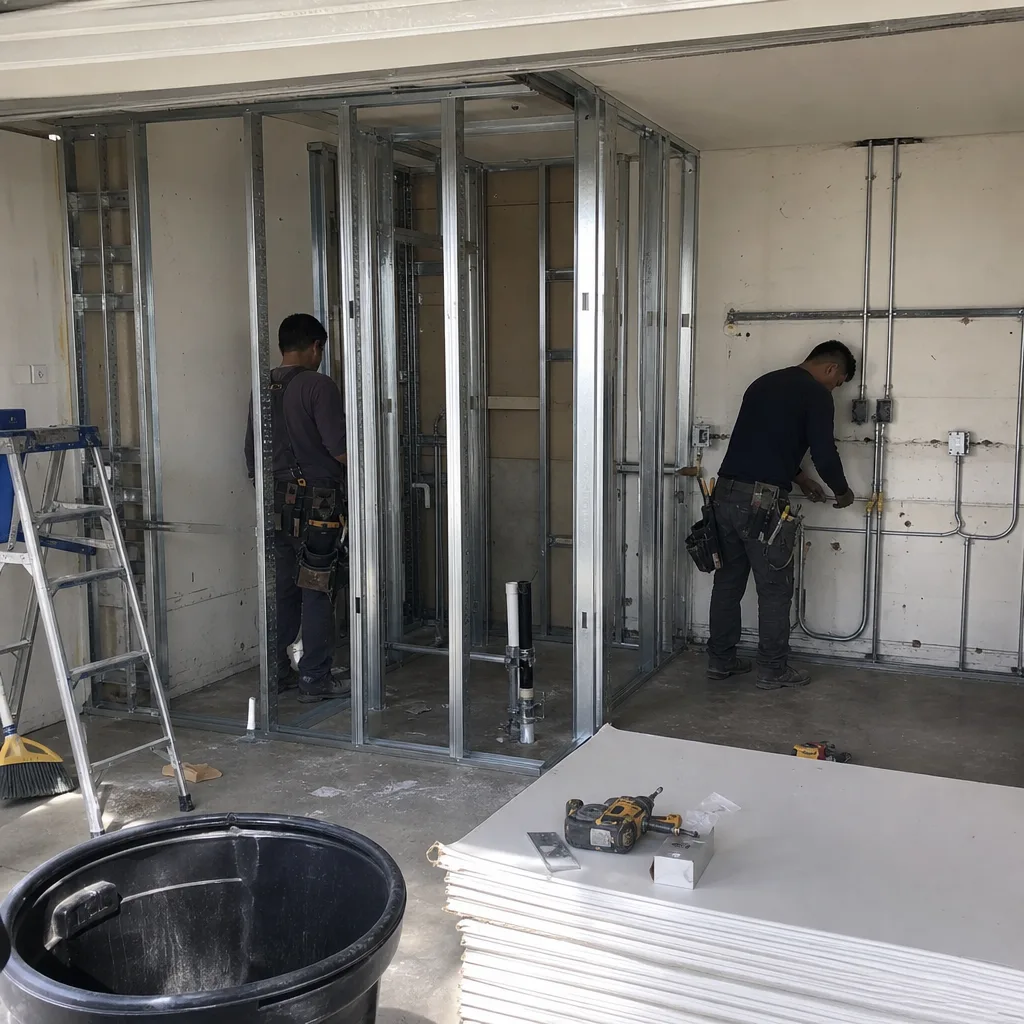
Call a professional when the cost of being wrong exceeds the cost of being right. For most Huntington Beach homeowners, that threshold arrives early in the ADU process.
Specifically: call when your property is west of Pacific Coast Highway, when your garage was built before 1980 and may contain asbestos or ungrounded electrical, when your lot is non-standard (corner, flag, or alley-access), when you plan to sell within five years, or when you need rental income on a predictable schedule.
Ellery ADU Studio Huntington Beach offers free estimates in Huntington Beach. We’ll review your property, your goals, and any written estimate you already have. Our Free Second Opinion applies to competitor quotes and owner-builder budgets alike. Call (562) 263-3350 to schedule your free estimate.
Frequently Asked Questions
A professional garage conversion ADU in Huntington Beach typically runs $165,000-$245,000 all-in, while a new detached ADU runs $285,000-$420,000. DIY saves the 15%-25% GC markup ($21,000-$35,000 on typical projects) but adds costs for insurance, design, permit expediting, and typical rework that often narrow the gap to $10,000-$25,000. Call (562) 263-3350 for a written price on your specific property - estimates are free, and the price is locked before work starts under Haven Standard Clause 1.
Yes. Most design-build contracts, including ours, allow owner-performed finish work such as painting, landscaping, and interior hardware installation. These are specified in the contract scope so there’s no ambiguity about warranty boundaries. Structural, electrical, plumbing, and roofing work must remain under our license and warranty to comply with Huntington Beach permit requirements and Haven Standard coverage. We’ve completed over 900 ADUs since 2015 with this hybrid approach.
It can, if every trade requiring a licensed contractor uses one, and if the work meets code. The failure rate for owner-builder permits in Huntington Beach is higher than professional permits because of incomplete submittals, incorrect trade licensing, and code unfamiliarity. Each failed inspection adds 2-4 weeks and $500-$2,000 in holding costs. Our permit sets are pre-reviewed against Huntington Beach’s specific checklists before submittal.
Lenders treat owner-built structures as higher risk. Most require a structural inspection, engineer’s letter, or proof of licensed contractor completion before counting ADU value in the appraisal. Some lenders exclude owner-builder ADUs from usable square footage entirely. This can reduce your available equity by $50,000-$150,000 in Huntington Beach’s market. Professional construction with documented permits and warranty transfers cleanly to appraisals.
You must disclose your owner-builder status on the Transfer Disclosure Statement under Civil Code §1102. The buyer’s lender may require additional inspections, a retroactive contractor’s warranty, or may decline to finance the purchase. In competitive Huntington Beach sales, this disclosure can force price reductions of $10,000-$30,000 or kill the deal entirely. The restriction expires after one year, but the disclosure obligation and permit record remain permanently.
Yes. We specify and coordinate prefab and modular systems from Abodu, Cover, Dvele, Mighty Buildings, Boxabl, Plant Prefab, Tuff Shed, and James Hardie within our single-contract design-build model. The permit set, site prep, utility connections, and final inspection are all included at one written price. Prefab does not eliminate the need for professional permitting and site work; we handle both. Call (562) 263-3350 to discuss whether prefab fits your Huntington Beach property.
The Bottom Line
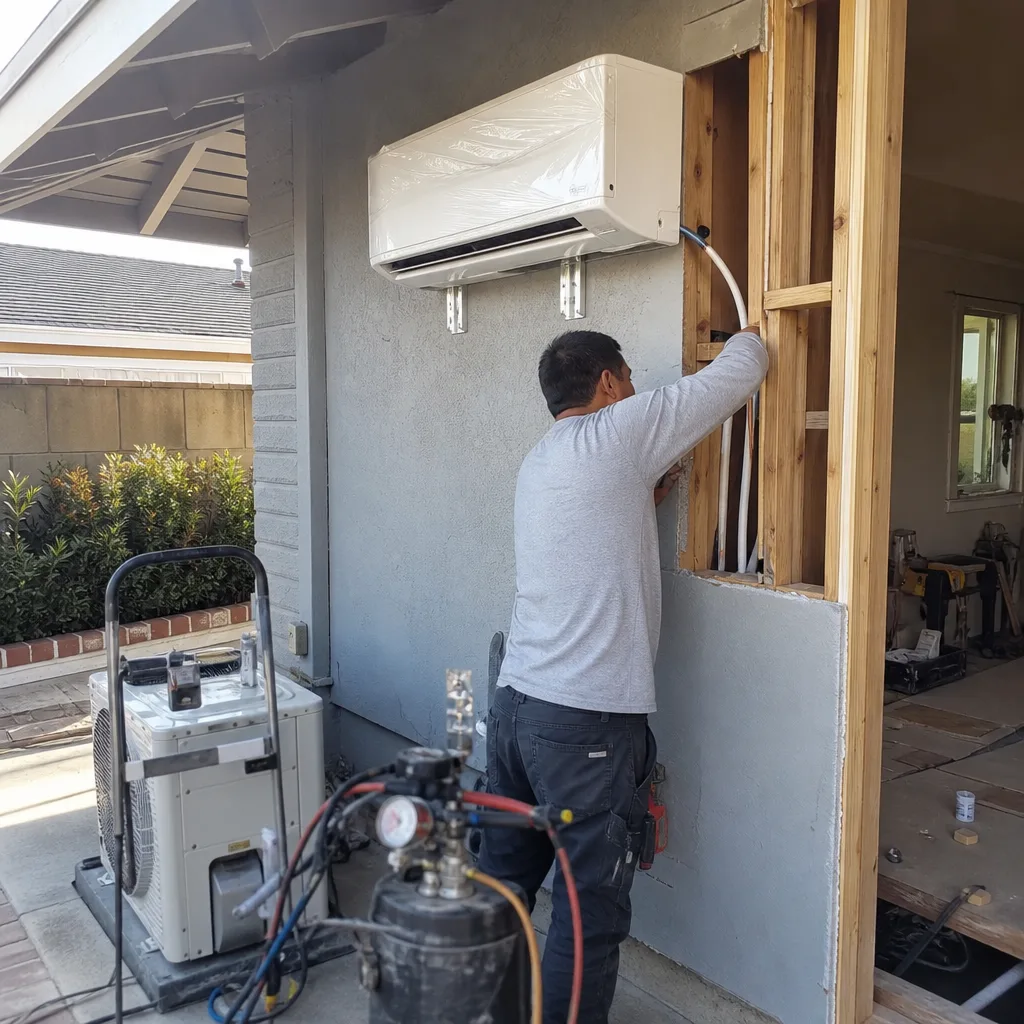
The DIY ADU decision is not about whether you’re handy. It’s about whether you’re prepared to become a licensed general contractor in the eyes of California law, to carry construction-phase insurance that your current policy excludes, and to accept permanent restrictions on your property’s financing and saleability.
For most Huntington Beach homeowners, the 15%-25% GC markup is insurance against those risks, not wasted overhead. The break-even calculation changes when you account for holding costs, rework, insurance gaps, and resale friction. Professional design-build delivery, with a written price before work starts and a warranty that transfers to the next owner, preserves the ADU as a long-term asset rather than converting it into a long-term liability.
If you’re weighing DIY against professional delivery, explore more guides & resources or start with a real number. Call (562) 263-3350 for your free estimate. We’ll give you a written price, review any estimate you already have, and show you exactly what our 365-Day Done Right Promise covers. No urgency, no pressure - just the facts, named, in order.
Written by Nadia Ellery, Owner at Ellery ADU Studio Huntington Beach, serving Huntington Beach since 2015.